Delicious Death
A Murder Is Announced“Delicious Death” is Patrick Simmons’s irreverent name for Mitzi’s rich, carefully made birthday cake, but the joke acquires a darker meaning when Jane Marple explains how Charlotte Blacklock used Dora Bunner’s birthday celebration to disguise her murder. The phrase links a domestic treat, a doomed friend’s last happy day, and the false kindness of a killer who wanted Dora to die without suspicion.
The Name and the Cake
Mitzi takes pride in the cake she is preparing: rich, melting, covered with chocolate icing, and decorated with “Good Wishes.” Against her own experience of English cakes, she expects it to be memorable. Her delight falters when she recalls that Patrick has called it “Delicious Death.” She objects that it is her cake and that she will not have it named that way. Miss Blacklock tries to soothe her by explaining that Patrick meant it as a compliment, suggesting the cake would be worth dying to eat; Mitzi remains doubtful.
Patrick repeats the name when the company gathers around the dining-room table for Dora Bunner’s birthday. Miss Blacklock cautions him not to say it where Mitzi can hear, since Mitzi objects, but Patrick insists on the joke and asks whether this is Bunny’s birthday cake. Dora, pleased by the party and its attention, says she is having a wonderful birthday. The cake is part of a spread that the guests enjoy, and the meal ends with Julia Simmons saying she feels slightly sick from eating it—adding that the same thing happened the last time. Patrick answers that the cake is worth it. The exchange establishes the nickname as comic table talk before the later revelation turns it into an ominous refrain.
Mitzi’s Work and Patrick’s Teasing
Patrick’s joking name also exposes a difference between Mitzi’s pride in her work and the role others assign her. When Patrick praises the cake as a masterpiece, Mitzi protests that she is not really a cook and says that, in her own country, she does intellectual work. Patrick dismisses the distinction, treating the cake as proof that her talent belongs in the kitchen. She objects again when he proposes a toast to “Delicious Death,” but he makes clear that this is his name for the cake, not hers.
The episode gives the phrase an ordinary, social life: it is Patrick’s repeated joke, while Mitzi’s discomfort keeps the joke from becoming a name she willingly claims. That mismatch matters later. The title sounds as though it celebrates a confection, yet its repeated use attaches the words to the circumstances of Dora’s death, which Mitzi neither intends nor understands when the cake is made.
Dora’s Birthday and the Murder
Jane Marple’s later account explains why the cake’s name becomes more than a joke. Dora’s increasing forgetfulness and talkativeness made her dangerous to Charlotte’s assumed identity. Dora had called Charlotte “Lotty,” an apparently harmless slip that frightened Charlotte. In conversation, Dora also seemed to speak of two women as one: she described one as plain but full of character and another as pretty and light-hearted, and mixed accounts of Letitia’s success with recollections that did not fit Letitia’s life. Jane reasons that Charlotte overheard Dora discussing the changed lamp—specifically, that the shepherdess had been replaced by the shepherd—and understood that Dora might expose her.
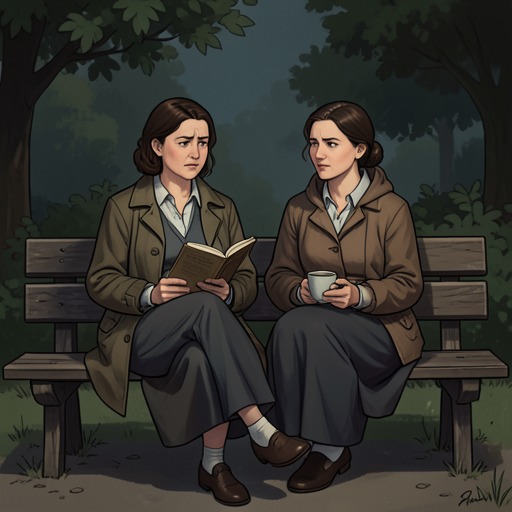
Jane describes Dora as Charlotte’s real danger: Charlotte loved her and did not want to kill her, but believed she could not remain safe while Dora lived. Jane suspects that Charlotte persuaded herself the killing was almost a kindness, since Dora was not expected to live long and might otherwise suffer. The birthday party therefore becomes part of the deception. Charlotte gave Dora a day arranged around things she liked, tried to prevent others from upsetting her, and provided the special cake before her death.
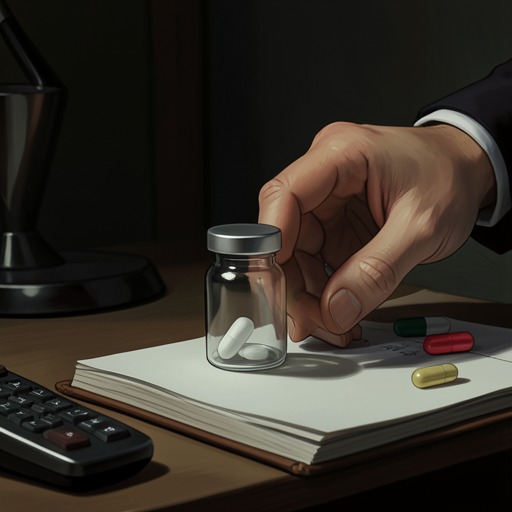
The poisoned tablets were placed in the aspirin bottle beside Charlotte’s bed. Dora, unable to find the new bottle of aspirin she had bought, went to Charlotte’s bottle instead. The arrangement made it appear that the tablets had been meant for Letitia, preserving the false impression that Letitia was the intended victim. Dora died in her sleep, and Charlotte felt secure again. Yet, as Jane stresses, Charlotte’s grief was genuine: she had lost Dora’s affection, loyalty, and companionship even though she herself had killed her.
The Phrase Reconsidered
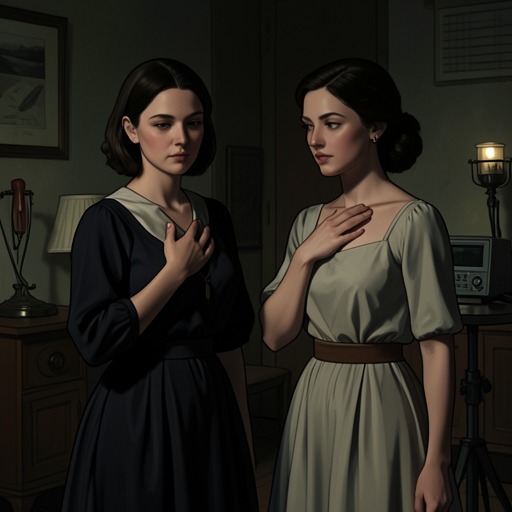
When Phillipa Haymes hears Jane’s explanation, she repeats the cake’s name with a shudder. Jane agrees that the situation was “rather like that”: Charlotte had tried to give her friend a delicious death, pairing the birthday treats and the party with the poisoned aspirin. The phrase thus describes not merely the dessert but the arrangement around it—a happy occasion made to conceal a killing and to make the victim’s final day appear considerate.
Bunch Harmon identifies the cruelty beneath that apparent generosity as a kind of spurious kindness: Dora was treated as someone to be destroyed after being given a pleasant day. Jane connects the crime to Charlotte’s desire for money she was not entitled to, a desire that had become an obsession and, in Jane’s account, overruled every other attachment. The name Patrick had coined innocently becomes an especially pointed label for the contradiction between Charlotte’s affectionate gestures and the death she planned.
Aftermath and Inheritance
The phrase returns after the case, but its use has changed. Mitzi softens towards Phillipa and gives her the recipe for “Delicious Death” as a wedding present, asking her not to reveal the secret to Julia because Julia has ruined her omelette pan. The recipe, once associated with Dora’s last birthday and the concealed murder, becomes a gift between the women who remain. That return does not erase the earlier meaning; it shows how an ordinary domestic object can carry a memory of violence even as it re-enters everyday life.
The closing conversation also places the wedding gift against the inheritance that follows Belle Goedler’s death: Phillipa and Julia inherit the Goedler millions. Mrs Lucas sends silver asparagus tongs as a wedding present, prompting Edmund Swettenham to say he will take pleasure in not inviting her to the wedding. Patrick tentatively extends the happy-ending joke to Edmund and Phillipa and to Julia and himself. Against that prospective happiness, “Delicious Death” retains its double history: first a teasing name, then Jane’s shorthand for a birthday celebration turned into a device for murder, and finally a recipe passed on as a wedding gift.